
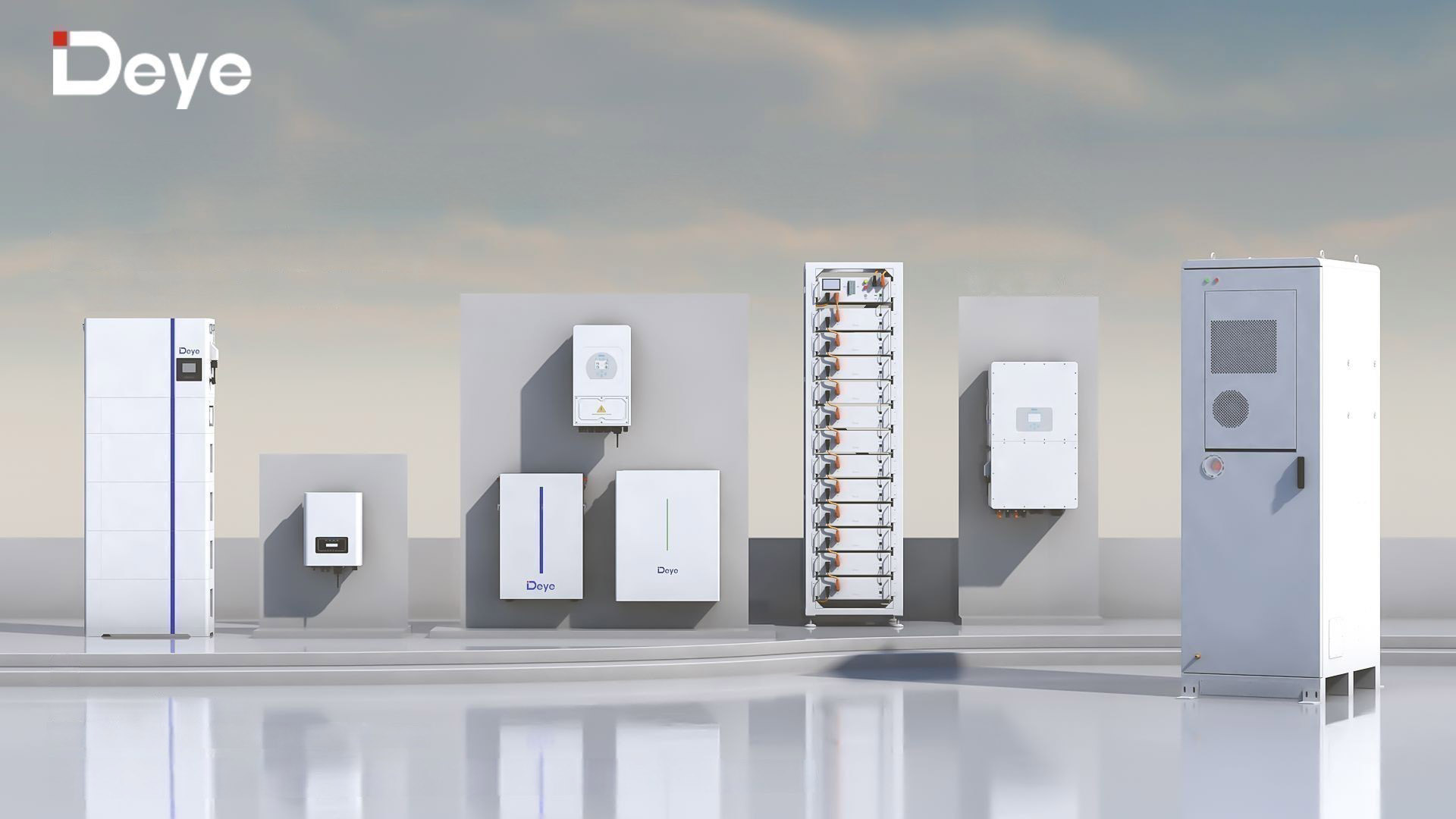

If you’re a homeowner or business owner in Nigeria, you know the ritual: NEPA/PHCN cuts the power, the generator roars to life, diesel or petrol prices flare up again, and your “tubular” inverter battery starts giving up before midnight. Many of us have been through the agony of buying “affordable” lead‑acid batteries again and again—only to watch them fail after a couple of years. It’s frustrating and expensive. That’s why more solar shoppers, installers and SMEs are asking a different question: why are lithium batteries—particularly LiFePO₄—the future of solar power in Nigeria?
Disclaimer: Battery selection depends on your load, budget, and installation quality. A proper load audit and professional installation are essential.
Nigeria’s Power Reality: Why Battery Choice Matters More Here
Outages, generator trade‑offs and fuel cost volatility
Nigeria’s grid delivers unpredictable service, and many households and businesses live on a patchwork of NEPA/PHCN, generators and inverters. Generators produce steady power, but they come with loud noise, toxic fumes, regular maintenance and fuel dependency. Solar inverters can provide quiet, clean power when the sun shines—but the battery bank determines whether you still have light at night. During rainy season or harmattan haze, solar panels may produce less energy, so batteries need to handle inconsistent charging windows.
The hidden cost of frequent battery replacement
Lead‑acid batteries (flooded, gel or AGM) are cheaper upfront but they typically allow only about 50 % depth of discharge (DoD) and deliver 1,000–2,000 cycles before needing replacement. Under daily cycling this often translates to two to four years of service. The BusinessDay energy guide notes that lithium batteries, particularly LiFePO₄, “discharge up to 80–90 % of their stored energy without damage” and can offer 3,000–7,000 cycles. When you replace lead‑acid batteries every few years—factoring in downtime, transport and installation—you may end up spending more over a decade than if you had invested in a longer‑lasting lithium bank.
Pro Tip: If you’ve replaced lead‑acid batteries more than once in five years, you’ve probably already spent more than a lithium pack would have cost. Think total cost, not sticker price.
What Is a Lithium Solar Battery?
A lithium solar battery is a rechargeable battery that stores DC power from solar panels or the grid and releases it through an inverter when needed. In simple terms:
- Battery bank: One or more batteries connected to increase storage capacity and runtime.
- Energy storage: Capturing electrical energy now to use later.
- kWh (kilowatt‑hour): A measure of stored energy—like the size of your fuel tank.
- Cycle: A full charge and discharge.
- Depth of Discharge (DoD): The percentage of the battery’s capacity that can be used safely before recharging.
- Inverter efficiency: Not all stored energy becomes usable AC power; some is lost in conversion.
Batteries are the heart of a solar/inverter system; when the battery is weak, your lights and appliances will suffer.
LiFePO₄ vs Other Lithium Types: What Nigerians Should Buy
LiFePO₄ (LFP) stands for Lithium Iron Phosphate, a chemistry within the lithium‑ion family that is widely used for stationary solar systems. LFP batteries are valued for their thermal stability and safety. In Nigeria’s hot climate, they tolerate high temperatures better than many other chemistries. An energy guide from BusinessDay notes that LiFePO₄ batteries can discharge 80–90 % of their capacity and last far longer than lead‑acid. Another comparison article highlights that lithium batteries achieve 2,000–5,000 cycles versus around 1,000 cycles for lead‑acid, and they maintain high performance over a wide temperature range.
Other lithium chemistries exist:
- NMC/NCA (Nickel Manganese Cobalt/Nickel Cobalt Aluminum)—commonly found in laptops and electric vehicles—offer higher energy density but may require stricter temperature management and can be more expensive.
- LTO (Lithium Titanate)—extremely durable and fast‑charging but often beyond the budget of most Nigerian homeowners.
For residential and SME use in Nigeria, LiFePO₄ strikes the right balance of safety, durability and long‑term value.
Lithium vs Lead‑Acid in Nigeria
Performance in heat and harsh environments
Nigeria’s climate is hot and humid, with ambient temperatures often above 35 °C. BusinessDay notes that high temperatures can quickly degrade lead‑acid batteries, while LiFePO₄ batteries handle temperatures up to 60 °C with minimal performance loss. Lead‑acid capacity also drops sharply in extreme cold or heat. Lithium’s greater temperature tolerance means more reliable performance in attic spaces, generator sheds and other warm environments.
Maintenance stress and downtime
Flooded lead‑acid batteries need regular water maintenance and ventilation. AGM and gel batteries are sealed but still require occasional checks. In Nigeria, where dust and heat are common, neglecting maintenance often leads to premature failure. Lithium batteries eliminate water topping and acid spills. Their sealed design reduces the risk of corrosion and allows installation in living spaces.
Replacement frequency and generator dependency
Daily cycling at 50 % DoD wears out lead‑acid batteries in 3–5 years. Lithium batteries, with higher DoD and cycle life, can last 8–12 years. Each replacement involves not only buying new batteries but also downtime and transport. Because lithium batteries charge faster and more efficiently, they can reduce generator runtime and fuel costs. Shorter generator runs mean quieter evenings and lower diesel bills.
Who should choose what?
- Lithium (LiFePO₄): Best for homes and businesses that cycle their batteries daily, want long‑term reliability, and can invest in quality equipment. If you plan to live in your current location for years, or if your SME runs appliances every night, lithium offers the lowest cost per usable kWh.
- Lead‑acid: May still make sense for temporary projects, seasonal homes or backup‑only use where discharges are shallow and infrequent. Tubular batteries can serve as a stopgap for those on tight budgets—just be prepared for shorter life and more maintenance.
Total Cost of Ownership: The Math That Makes Lithium Win
The sticker price doesn’t tell the whole story. Total Cost of Ownership (TCO) considers purchase price, logistics, installation, duty, maintenance, replacement and usable lifetime energy.
Simple ratio‑based example
Imagine two 5 kWh battery banks:
- Battery A (lead‑acid) costs X. You can safely use only about 2.5 kWh (50 % DoD)[1] and expect 1,500 cycles (roughly four years). If your family cycles the battery every night, you might need to replace it three times over a decade.
- Battery B (LiFePO₄) costs 2X. You can use 4 kWh (80 % DoD)[3] and expect 5,000 cycles (about 10–12 years)[4]. You buy once and rarely worry about replacements.
After accounting for usable energy, installation and replacement cost, Battery B’s cost per kWh delivered can be lower than Battery A’s, even though it cost twice as much initially. Manly Battery’s example shows that a 12 V 200 Ah gel battery yields about 720 kWh of lifetime energy, whereas a 12.8 V 200 Ah LiFePO₄ battery yields approximately 4,710 kWh[18]. With such disparity, the higher price of lithium is spread over far more usable energy.
Cost per usable kWh
The BusinessDay guide recommends evaluating batteries by cost per usable kWh rather than headline price. To calculate this, divide the total project cost (battery price + freight + duties + installation + financing – warranty recovery) by the product of capacity, depth of discharge, round‑trip efficiency and cycle life[24]. Lithium batteries score well because they offer higher DoD, better efficiency (90–95 % vs. 80–85 % for lead‑acid[25]) and more cycles.
Mini scenario: small business
A small shop in Lagos runs lights, fans, a POS terminal, two laptops and a small fridge. During NEPA outages, the shop consumes about 1 kW. A 5 kWh lead‑acid bank (usable 2.5 kWh) provides roughly 2.5 hours of backup; after four years, the owner replaces it at cost X. A 5 kWh lithium bank (usable 4 kWh) provides four hours of backup and lasts about ten years. Over a decade, the lead‑acid scenario involves buying batteries three times (3X), while lithium involves one purchase (2X). Even though the lithium bank costs more initially, it saves money in replacements and avoids the business disruptions of battery failure. You can read our guide on how to chose the best lithium battery
Don’t Skip This: BMS, Safety, and Installation Quality
What BMS does and why it matters
A Battery Management System (BMS) is the control and safety layer for any lithium battery. It monitors each cell’s voltage and temperature, tracks current, balances cells, estimates state of charge, logs events and communicates with chargers/inverters. A well‑designed BMS enforces protections—over‑voltage, under‑voltage, over‑current, short‑circuit and temperature cut‑offs—and ensures that your lithium battery operates within safe limits. Without a BMS, overcharging or deep discharging can degrade cells or even cause thermal runaway. The BMS sits between the cells, charger and load like a traffic cop, controlling MOSFETs or contactors. Good BMS units also coordinate with multi‑module systems through CAN or RS485 communication.
Fusing, breakers and cable sizing
Safety goes beyond the battery. Installers must size cables properly to handle peak currents without overheating[36]. Use DC fuses or breakers between the battery and inverter to protect against short circuits. Ensure correct torque on lugs and keep cable runs as short as possible. A pre‑charge circuit (or resistor) prevents large inrush currents when connecting high‑capacity lithium banks to an inverter. For multi‑module systems, each module should have its own DC disconnect.
Earthing, ventilation and placement
Although lithium batteries emit no gas, proper ventilation helps dissipate heat, especially in Nigeria’s hot climate. Mount batteries off the floor to avoid flooding. Protect them from direct sunlight and keep them within the manufacturer’s temperature limits (often −20 °C to 60 °C for LiFePO₄). Adequate earthing prevents electrical shock and protects equipment during surges or lightning events.
Pro Tip: If a seller cannot explain the recommended charge voltage, low‑voltage cut‑off and cable sizing for their lithium battery, consider that a red flag. Proper configuration is critical for safety and longevity.
Common Mistakes Nigerians Make When Buying Lithium Batteries
- Buying fake cells or grade‑B packs: Fake batteries may be sold at low prices but have unrealistic capacity claims and thin casings. Always verify weight, serial numbers and certifications.
- Skipping the BMS: A lithium pack without a proper BMS may over‑charge or over‑discharge, accelerating degradation and posing a safety hazard.
- Wrong inverter settings: Using lead‑acid charge profiles on lithium batteries can overcharge or undercharge them. Program bulk/float voltages specific to LiFePO₄ and set appropriate low‑voltage cut‑off.
- Mixing old and new banks: Combining new lithium modules with old ones can cause imbalance and stress the BMS. Replace entire banks or add modules as recommended by the manufacturer.
- Undersized cables: Thin cables cause voltage drop and heat. Follow manufacturer recommendations for gauge and length.
- No DC protection: Always install fuses or breakers between battery and inverter. This simple device can prevent catastrophic failure.
- Poor ventilation and heat management: Even though LiFePO₄ handles heat better than lead‑acid, high temperatures still reduce lifespan. Provide airflow and avoid sealing batteries in tight boxes.
- No load audit: Buying a battery without calculating your actual consumption leads to disappointment (“battery doesn’t last”). Always perform a load audit before sizing.
- Confusing backup with daily cycling: Lead‑acid may suffice for occasional backup; lithium is better for daily cycling. Choose the chemistry that matches your use case.
Quick Checklist Before You Buy Lithium for Your Solar/Inverter
- Confirm your system voltage (12 V/24 V/48 V) and ensure battery/inverter compatibility.
- Perform a load audit: list appliances, wattage and backup hours.
- Choose LiFePO₄ for stationary solar/inverter use in Nigeria.
- Verify the battery has a BMS with clear protection specs and communication ports.
- Confirm recommended charge settings (bulk/absorption voltage, max current).
- Ensure your inverter/charger supports lithium charge profiles or can be configured.
- Install DC protection (fuse or breaker) between battery and inverter.
- Use correctly sized cables and proper lugs; avoid undersized wiring.
- Buy from credible sellers with Nigeria‑based warranty and support.
- Avoid mixing different battery ages or chemistries in the same bank.
FAQs: Lithium Batteries & Solar Power in Nigeria
Q: Are lithium batteries safe for Nigerian homes?
A: Yes. LiFePO₄ batteries are thermally stable and, when paired with a proper BMS and correct fusing and cabling, they are very safe. Follow installation guidelines and use certified products.
Q: Is LiFePO₄ better than other lithium types for stationary solar?
A: For residential and SME solar in Nigeria, LiFePO₄ offers the best balance of safety, durability and cost. It supports high DoD, long cycle life and performs well in hot climates. Other chemistries like NMC have higher energy density but may require stricter thermal management.
Q: How big should my lithium battery be?
A: Base your choice on your nightly consumption and the backup hours you need. Multiply your load (watts) by hours to get watt‑hours, add a margin for inverter losses, and select a battery with enough capacity so you stay within 80 % DoD.
Q: Can I use lithium with any inverter?
A: Not all inverters support lithium charging. Check the specifications—some require firmware updates or settings to adjust charge voltage and current. Use an inverter with a lithium profile or programmable charge settings.
Q: Will lithium batteries work with NEPA/PHCN charging?
A: Yes. Lithium packs can charge from the grid via an inverter/charger. You still need to set correct charge voltages and observe temperature limits. Many Nigerian setups use a combination of solar and grid charging.
Q: Why do people say lithium is expensive in Nigeria?
A: The purchase price is higher than lead‑acid, but when you consider usable capacity, longer lifespan and reduced maintenance, lithium’s cost per usable kWh often becomes lower over time.
Q: How do I avoid buying fake lithium batteries?
A: Buy from authorized dealers or reputable suppliers. Check packaging, labels and weight; fake batteries often have thin casings, blurred logos and unrealistic capacities. Avoid deals that seem too cheap and insist on serial numbers and certificates.
Q: Can I expand my lithium battery bank later?
A: Many LiFePO₄ systems allow you to add modules in parallel. Ensure each module has its own BMS and that the manufacturer supports expansion. Always follow the same brand and model to maintain balance.
Q: Does Nigeria’s heat affect lithium battery lifespan?
A: Heat affects all batteries, but LiFePO₄ handles high temperatures better than lead‑acid. Keep the batteries in a shaded, ventilated place and avoid direct sunlight.
Conclusion: Is Lithium Worth It in Nigeria?
For most Nigerian homeowners and SMEs, lithium (especially LiFePO₄) is worth the investment. Although the upfront price is higher, you get more usable energy, more cycles, faster charging, lower maintenance and better performance in Nigeria’s hot climate. Lithium batteries reduce generator reliance, cut replacement cycles and offer a quieter, cleaner energy experience. Lead‑acid still has a place as a temporary or low‑cycle solution, but for daily use and long‑term reliability, lithium wins on total cost of ownership.